Why people become homeless – and what happens after they find a home
Posted September 17, 2026
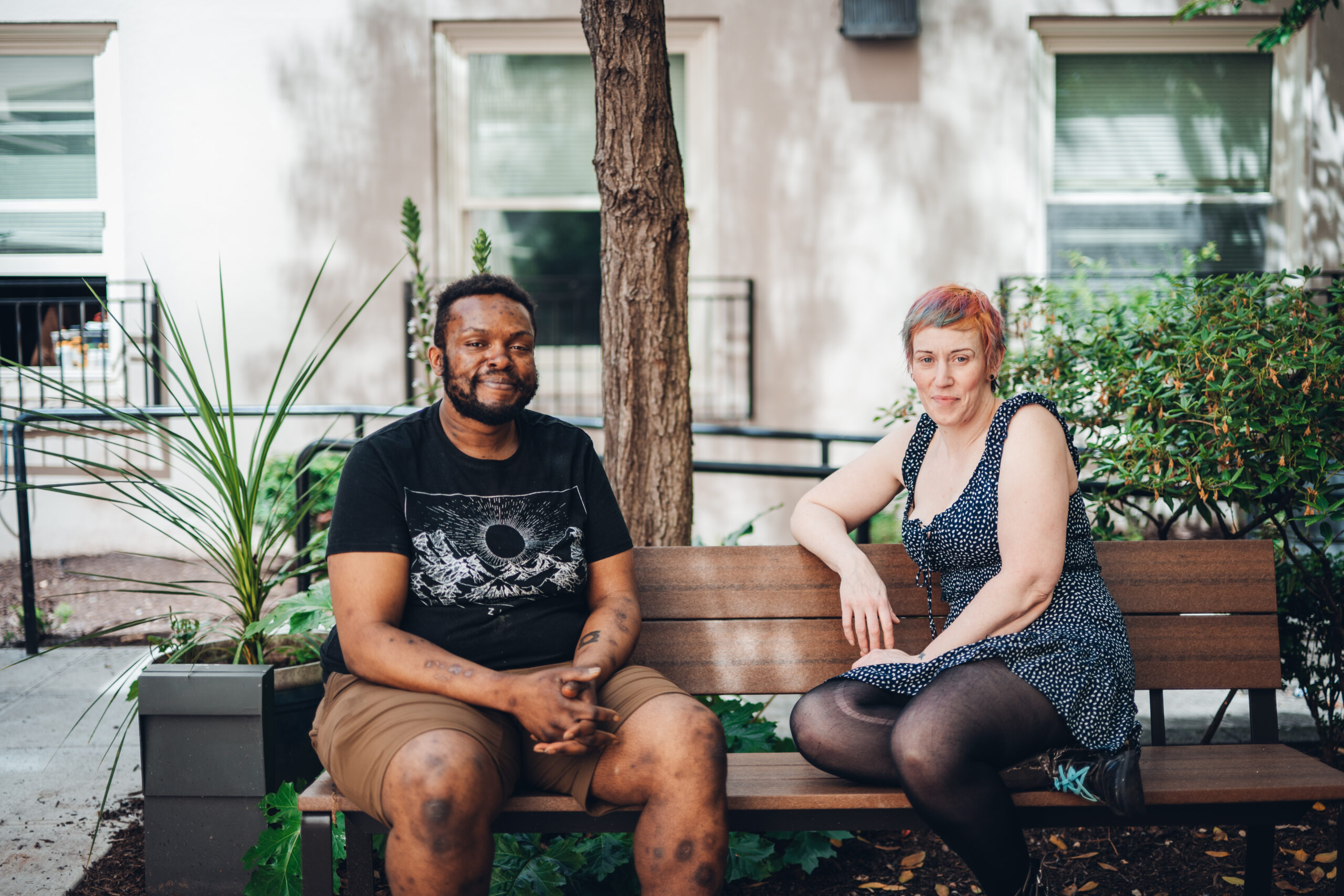
Jameil and Sarah used to be homeless. Now they live at Plymouth Housing.
There is no single cause of homelessness. A job loss, rent increase, medical issue, domestic violence, or breakup or divorce can all push someone into housing instability. Contrary to common stereotypes, homelessness is not primarily caused by addiction or mental illness.
Both locally and nationwide, homelessness is driven by larger economic and systemic forces, including a lack of affordable housing, economic instability, barriers to health care, and discrimination. Individual circumstances may explain why one person loses housing, but they do not explain why homelessness exists at the scale we see today.
The musical chairs problem
Imagine 10 people playing musical chairs with only nine chairs. When the music stops, someone will be left standing.
An injury, distraction, or bad move might explain who doesn’t get a chair. But it doesn’t explain why someone had to lose. There simply weren’t enough chairs.
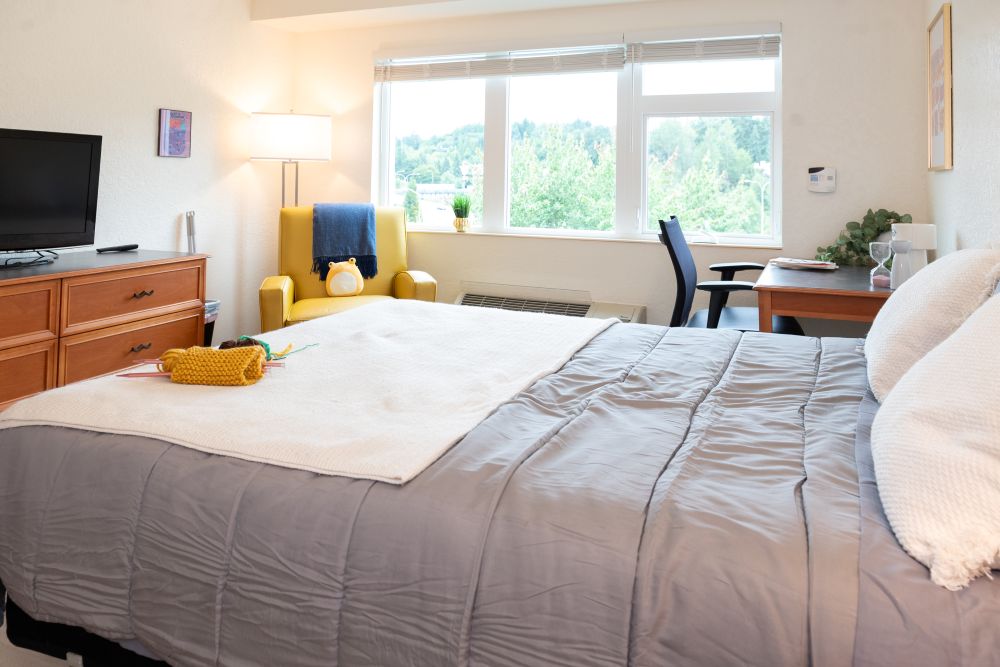
Inside a Plymouth apartment in Kirkland
Homelessness works in a similar way. Challenges like trauma, disability, mental illness, substance use disorder, or a job loss can make someone more vulnerable to losing housing. But when there aren’t enough affordable homes, someone will still be left without one.
In King County, there are only 23 affordable homes available for every 100 extremely low-income renter households. (In Washington state overall, that number is 28 per 100 households.) When housing is that scarce, homelessness becomes almost inevitable for some people.
The primary driver: A lack of affordable housing
Housing costs have risen far faster than incomes for many people. In King County, the average rent for a one-bedroom apartment is more than $2,100 per month. Meanwhile, someone receiving the maximum federal Supplemental Security Income (SSI) benefit — which supports people with disabilities and older adults with limited income — receives just $994 per month, explains local housing provider DESC.
For many people living with disabilities, chronic health conditions, or other challenges, no amount of budgeting or personal responsibility can close that gap when rent costs more than a person’s monthly income.
Even for people who are working, housing can be out of reach. Wages for many low-income workers have not kept pace with the rising cost of living, leaving many households one unexpected expense away from losing their housing.
Health care and behavioral health barriers
Poor health can be both a cause and a consequence of homelessness.
Plymouth resident Deb White knows how quickly a health crisis can become a housing crisis. She became homeless after having to make the impossible choice between paying for medical treatment or for rent.
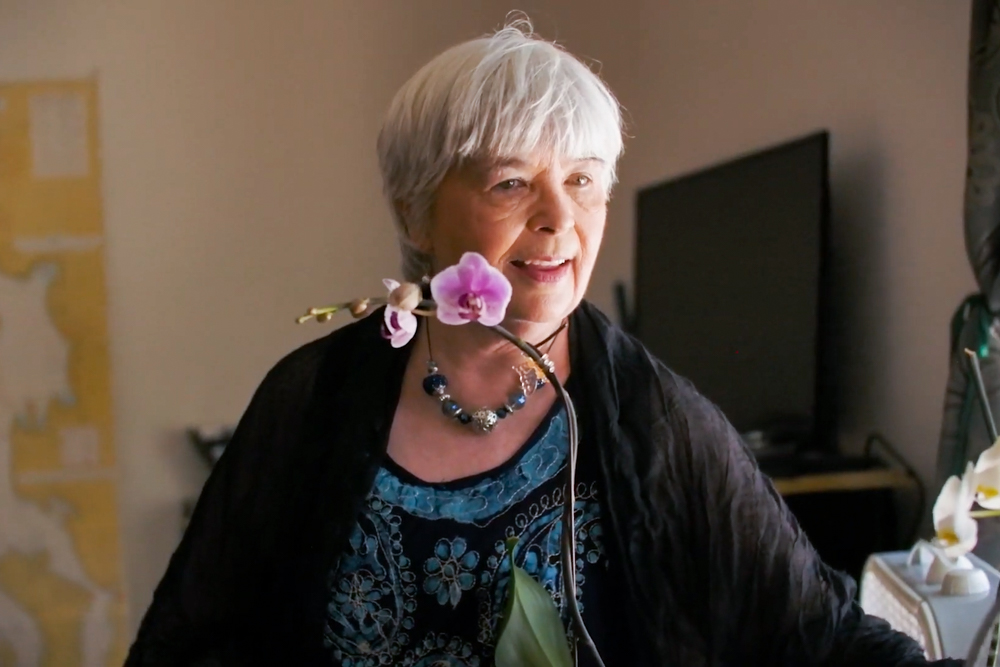
Deb White in her Plymouth apartment
Deb’s story reflects a reality many people face. When affordable health care, mental health services, substance use treatment, or other supports are out of reach, a health crisis can spiral into a housing crisis. People may lose income, face mounting medical bills, or struggle to manage conditions that make it harder to stay employed and housed.
As King County struggles with a shorter of shelter beds in the thousands, many housing-insecure patients are discharged from hospital care to live on the streets, reports the Seattle Times. Without a stable home to return to, their medical situation can become even more precarious.
Systemic racism and discrimination
Not everyone faces the same risk of homelessness.
Black residents make up about 15% of people experiencing unsheltered homelessness in King County despite representing less than 7% of the county’s population. American Indian, Alaska Native, and Indigenous people are even more significantly overrepresented.
These disparities can be traced to policies that dispossessed Indigenous people of their land and practices like redlining that denied many Black people and other people of color access to homeownership and wealth-building opportunities.
Today, inequities in housing, employment, lending, health care, and other systems continue to create barriers that make Black, Indigenous, and communities of color, as well as LGBTQ+ people and people with disabilities, more susceptible to homelessness.
Getting someone housed is only the beginning.
Housing is the first step, not the last. A home doesn’t automatically heal trauma, treat addiction, improve mental health, or rebuild relationships. It does provide the stable foundation from which those other challenges can be addressed.
That’s where Plymouth comes in. Plymouth houses 1,500 single adults in 18 apartment buildings with integrated support in Seattle and on the Eastside. We provide long-term housing with integrated support for people who have experienced chronic homelessness, and 95% of our residents remain stably housed.
Once residents have a safe place to call home, they receive a dedicated case manager who helps connect them to the services and support they need to move forward. That can include health care, behavioral health services, recovery support, reconnecting with family, assistance finding employment, and other resources that help people build long-term stability.
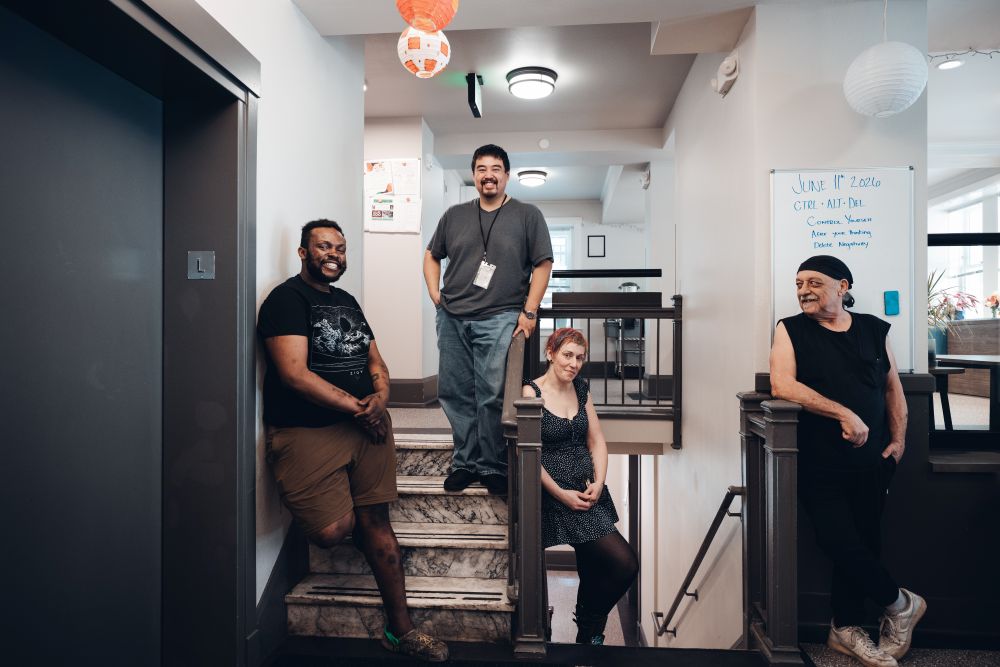
Jameil and Sarah with resident Sammy (right) and staff member Andy (top of stairs)
This support matters because the challenges that contribute to homelessness don’t disappear when someone moves indoors. Recovery from substance use, managing physical and mental health conditions, rebuilding relationships, and creating new routines all take time. When residents experience setbacks, we don’t give up on them.
Through case management, peer support, recovery programs, and community-building opportunities, Plymouth helps residents navigate challenges and move toward greater stability and well-being.
Today, Deb has a stable home, access to health care, and the support she needs to focus on her future rather than where she’ll sleep at night. Her story reflects what supportive housing makes possible for Plymouth residents every day.