2026 Point-in-Time count reveals impact of stable housing and the challenges ahead
Posted June 23, 2026
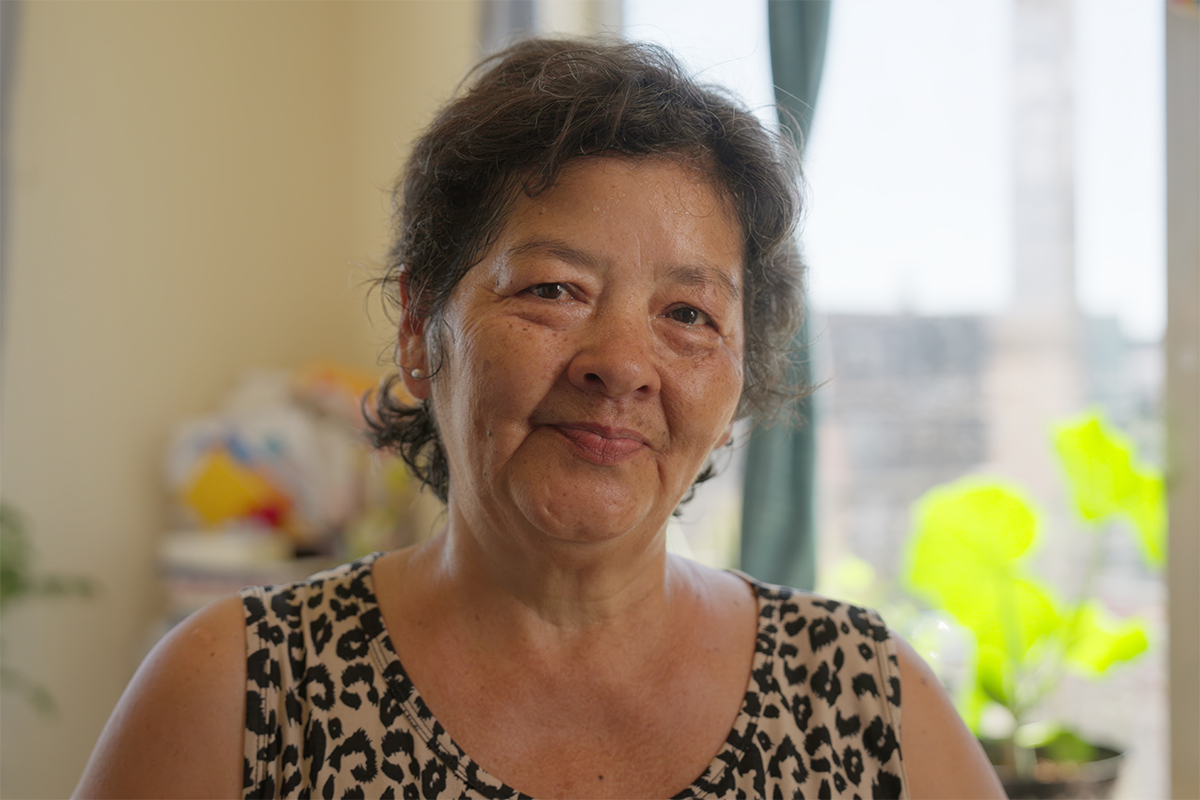
Plymouth resident Yolanda
Today the King County Regional Homelessness Authority (KCRHA) announced the official 2026 Point-in-Time (PIT) count, a one-night estimate of people experiencing homelessness in our region.
The PIT count found that on any given night in King County, an estimated 18,365 individuals experienced homelessness, including people who are sheltered (living in shelters or temporary housing) and unsheltered (living outside or in cars).
The latest data reflects both meaningful progress and an ongoing challenge: While thousands of people have found housing, our regional homelessness response system remains stretched beyond its capacity to meet growing need and prevent more people from falling into homelessness.
A clear measure of need
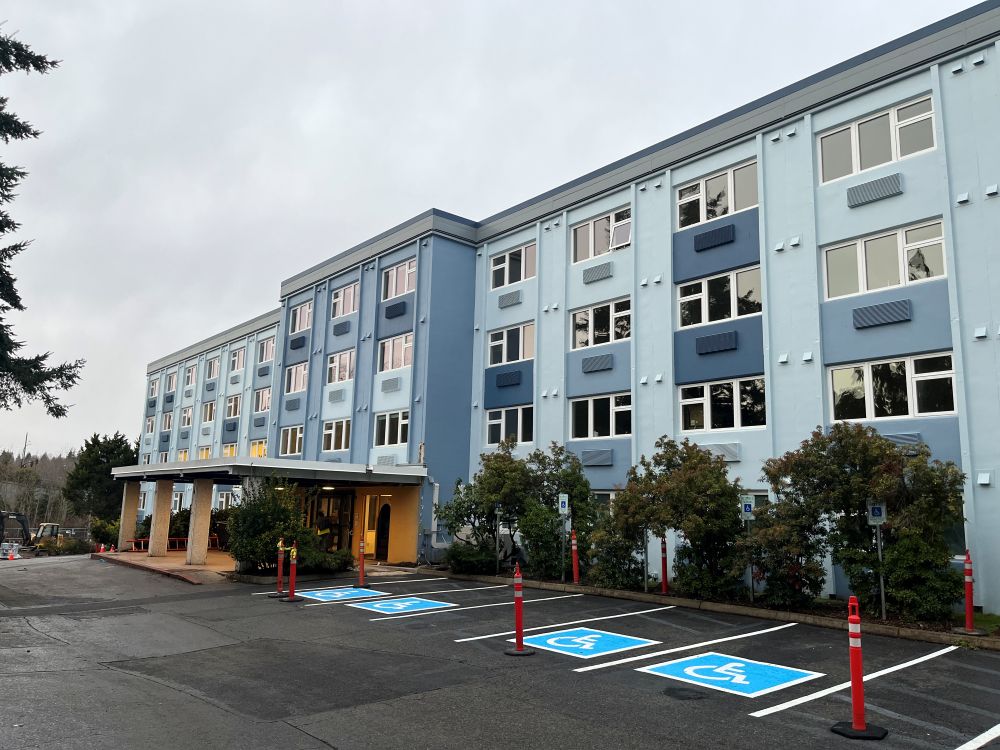
Sheila Stanton Place in Kirkland opened in 2026 and will house 102 individuals
Here in King County, like everywhere else in this country, income inequality and housing costs drive increasingly more of our neighbors into homelessness every year, as the PIT count reveals. However, the data does not represent the thousands of people who have moved out of homelessness and are now stably housed.
In 2025, 10,812 people in King County either moved out of homelessness into permanent housing with supportive services, or remained successfully housed, including individuals who moved into Plymouth Housing.
Additionally, the data shows that the rate of homelessness in our region has slowed. From 2024 to 2026, the number of unhoused people increased by 9%, compared to a 26% increase from 2022 to 2024.
“Homelessness is a very serious regional crisis, but don’t discount the facts: We are making real progress and we’re incredibly proud of that. If we keep investing in solutions that work, like supportive housing, we can help thousands more find a home,” said Plymouth Housing CEO Karen Lee.
A proven approach
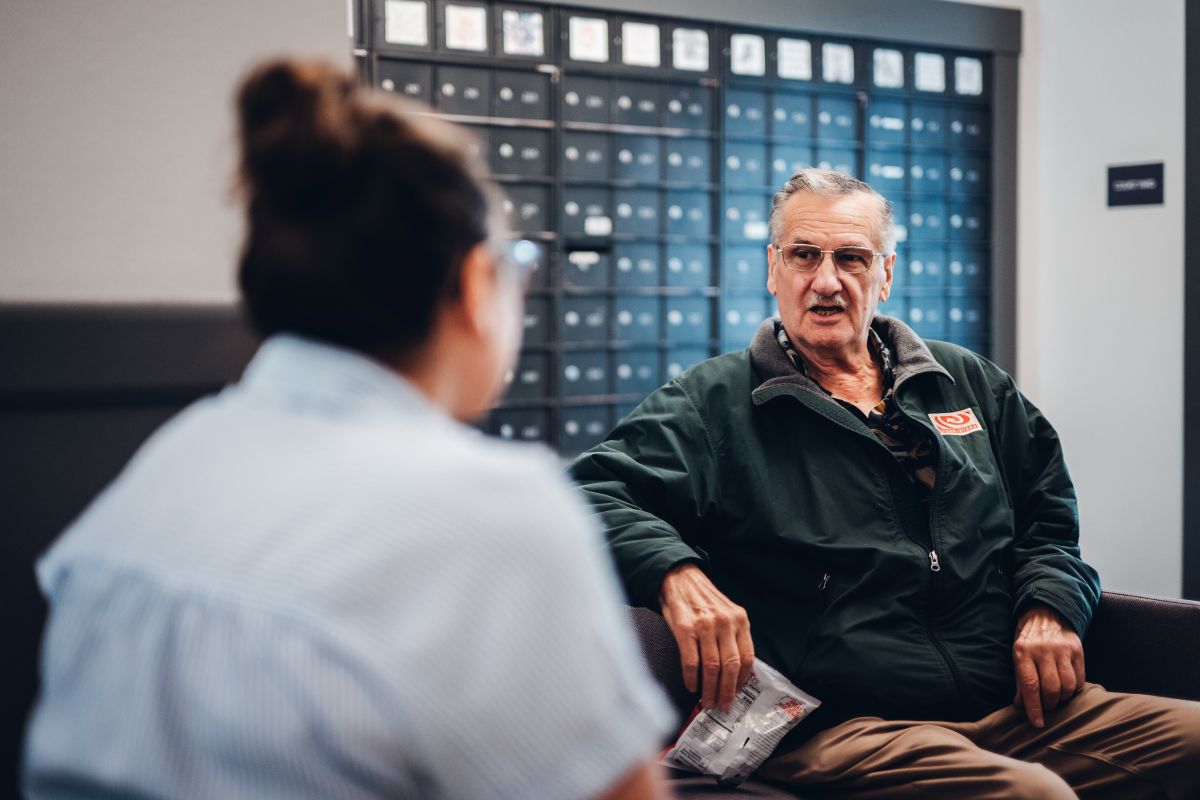
A Plymouth resident, right, speaks with staff at a building in downtown Seattle
Plymouth houses 1,500 single adults in 18 apartment buildings with integrated support in Seattle and on the Eastside. Our residents receive wraparound support like case management, medical care, substance use treatment, and community connections. Thanks to this stable, staffed environment, around 95% of residents remain permanently housed after moving to a Plymouth apartment.
Plymouth also provides rental assistance to an additional 1,000 people in our region — because different people have different needs. We are incredibly grateful to our partners who provide supportive housing and emergency shelter in our region. Together, we are committed to meeting the magnitude of this moment.
Despite our collective success in housing thousands of community members, we do not have sufficient resources as a regional system to respond to the increase in homelessness we are seeing — and certainly not to remedy the root causes of this troubling trend.
It will take sustained investment to bring more people off the streets and into safe, supportive homes where they can rebuild their lives — as Plymouth and so many of our partners do every day.