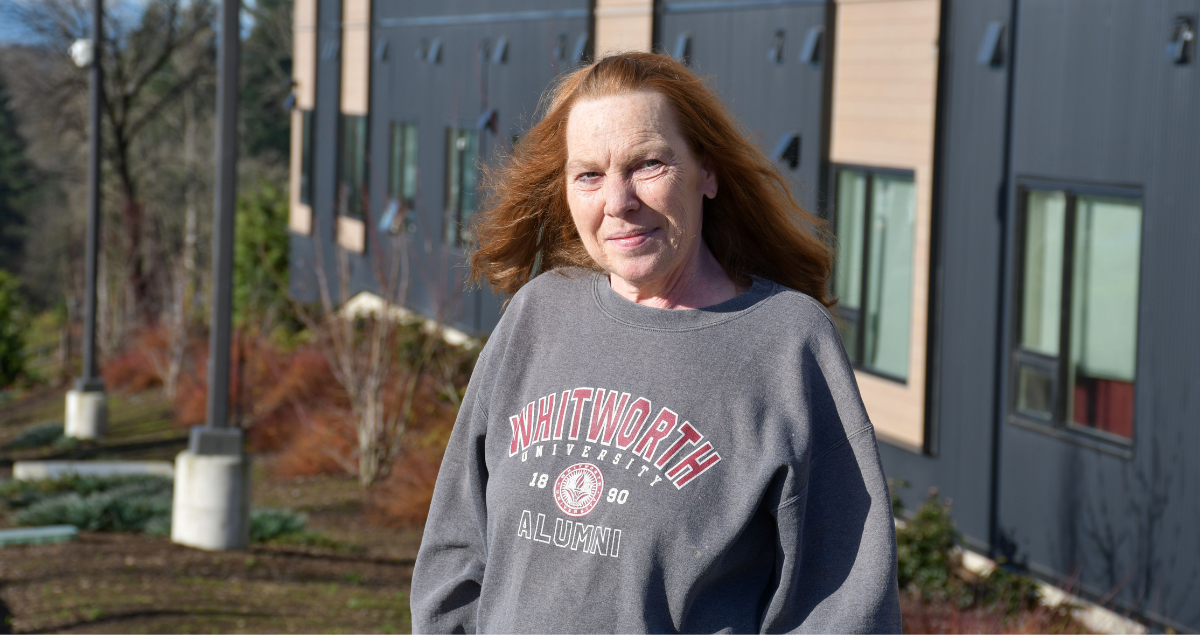
Plymouth resident Lisa
While homelessness continues to rise due to a worsening national affordable housing crisis, rising inflation, and other factors — there are proven solutions in place that keep people housed.
For more than 45 years, Plymouth Housing has helped people move from homelessness into permanent homes with on-site support. Our buildings provide private studio apartments along with services such as case management, nursing care, mental health counseling, employment support, and help accessing benefits and health care.
When someone has a safe place to live, they can work on healing.
Here are five ways permanent supportive housing strengthens our region.
1. Keeping people housed for good
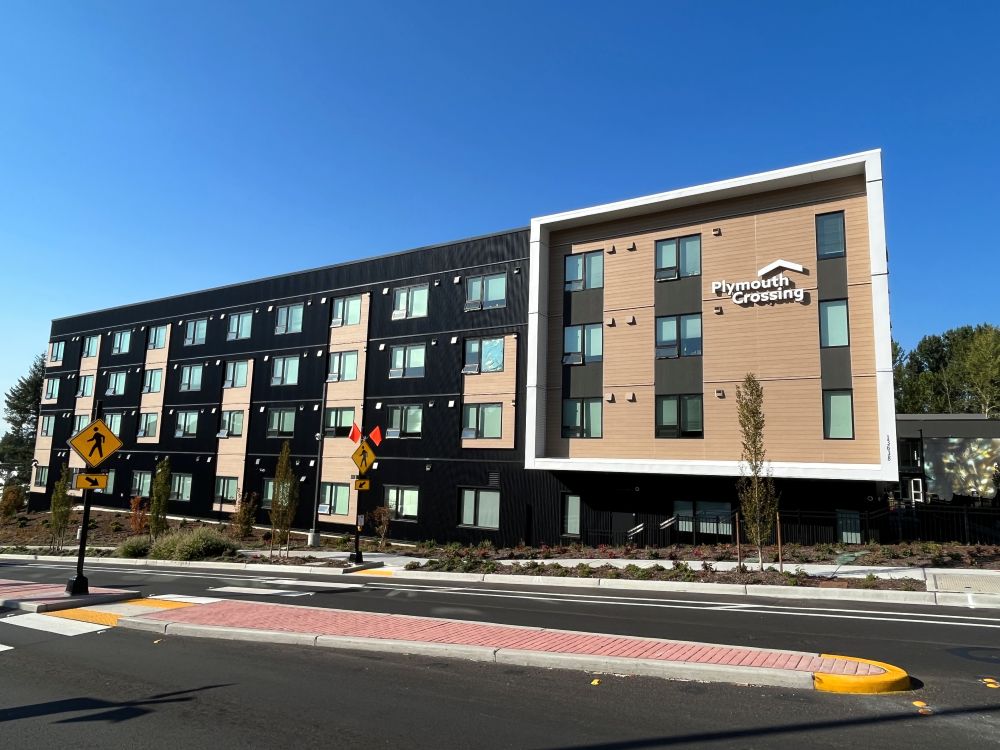
Plymouth Crossing is Bellevue’s first permanent supportive housing
When people think about solving homelessness, they often picture the first step: helping someone move off the street and into a home.
But the real measure of success is what happens next. At Plymouth Housing, 95% of residents remain stably housed long term, meaning nearly everyone who moves in does not return to homelessness.
This success comes from the Housing First approach, an evidence-based model that prioritizes providing a permanent home before requiring treatment or sobriety. Across North America, Housing First programs consistently achieve housing stability rates of about 80–90%, significantly higher than older treatment-first programs, which often see stability rates closer to 30–50%. (See “The Case for Housing First” and “The Evidence is Clear”.)
Housing First begins with finding stability in a permanent home. Once someone has a home, they can rest, reconnect with care, and begin improving their health.
2. Saving lives through housing and care
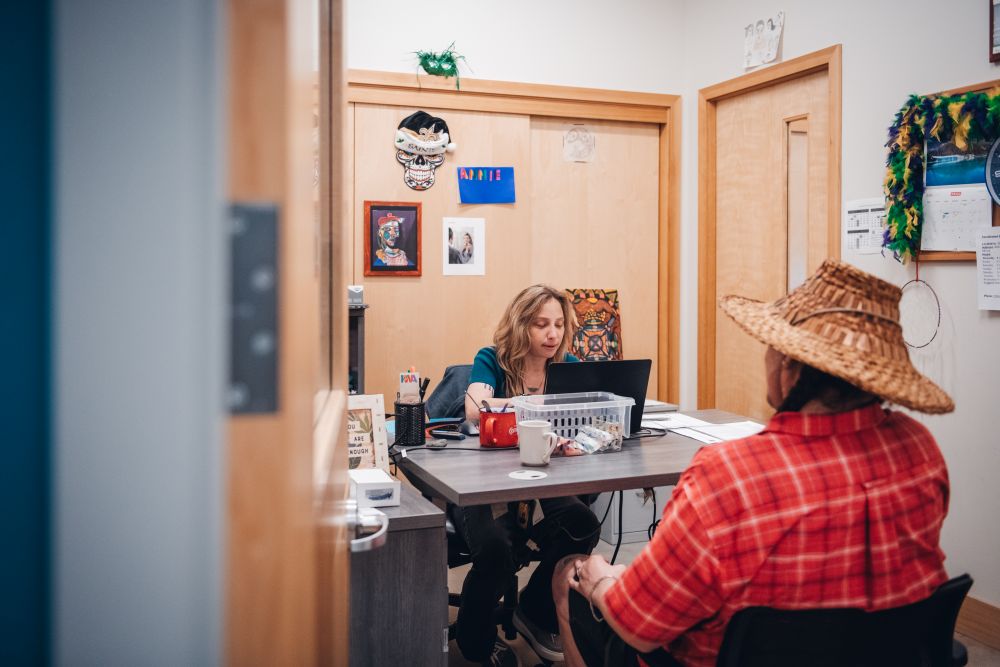
Plymouth resident No Shadow and his case manager Anne
Many people experiencing long-term homelessness live with serious health conditions, trauma histories, or substance use disorders. Without stable housing, these problems often worsen.
Housing First begins with a permanent home. Once someone has a home, they can begin stabilizing their health and reconnecting with care. As part of this support, Plymouth Housing uses harm reduction, a public-health approach that reduces the risks associated with substance use while helping people stay connected to care. This can include:
- Support accessing doctors and nurses
- Overdose prevention resources
- Mental health counseling
- Help connecting to treatment when residents are ready
Permanent supportive housing replaces constant crisis with stable housing, medical care, and ongoing support.
3. Saving taxpayer dollars by reducing expenditures on crisis services
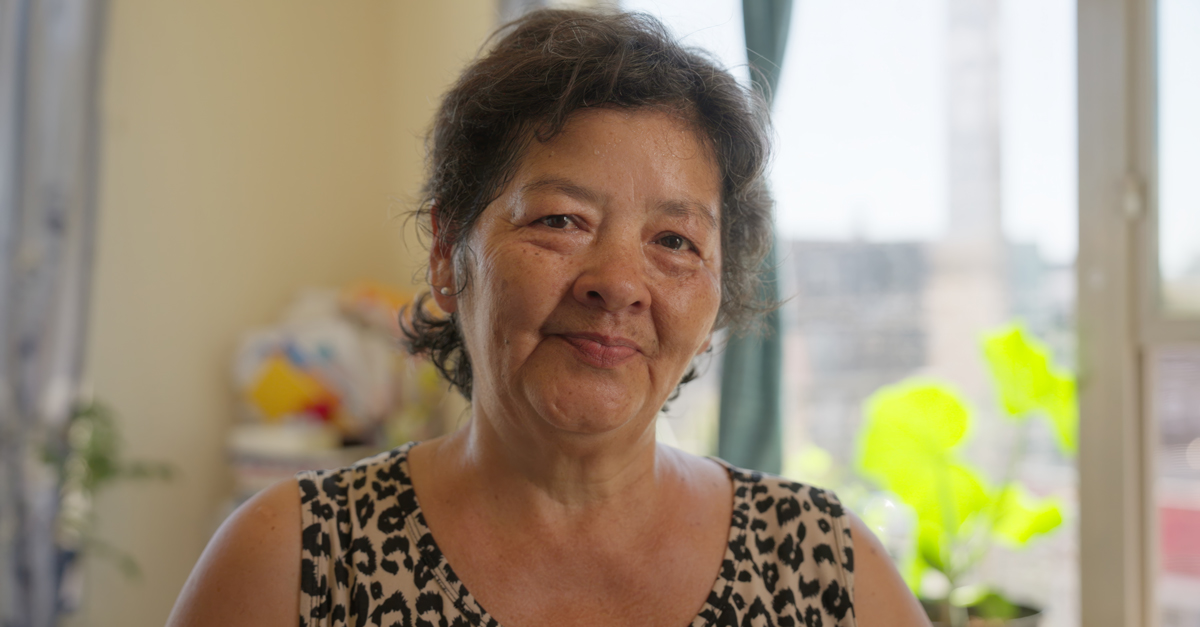
Plymouth resident Yolanda in her apartment
Supportive housing is not only effective — it’s also a smart investment for communities.
People experiencing long-term homelessness often cycle through expensive crisis systems such as emergency rooms, jails, and short-term shelters. Research shows that permanent supportive housing reduces emergency room visits, arrests, and other crisis service use. Some studies have found reductions of up to 40% in emergency room visits and hospitalizations after people move into supportive housing.
In King County, a full year of housing and services at Plymouth Housing costs about the same as just 16 days in the hospital or 10 weeks in the county jail.
By providing stable housing with support, communities can reduce costly crises while improving lives.
4. Helping cities create housing solutions that work
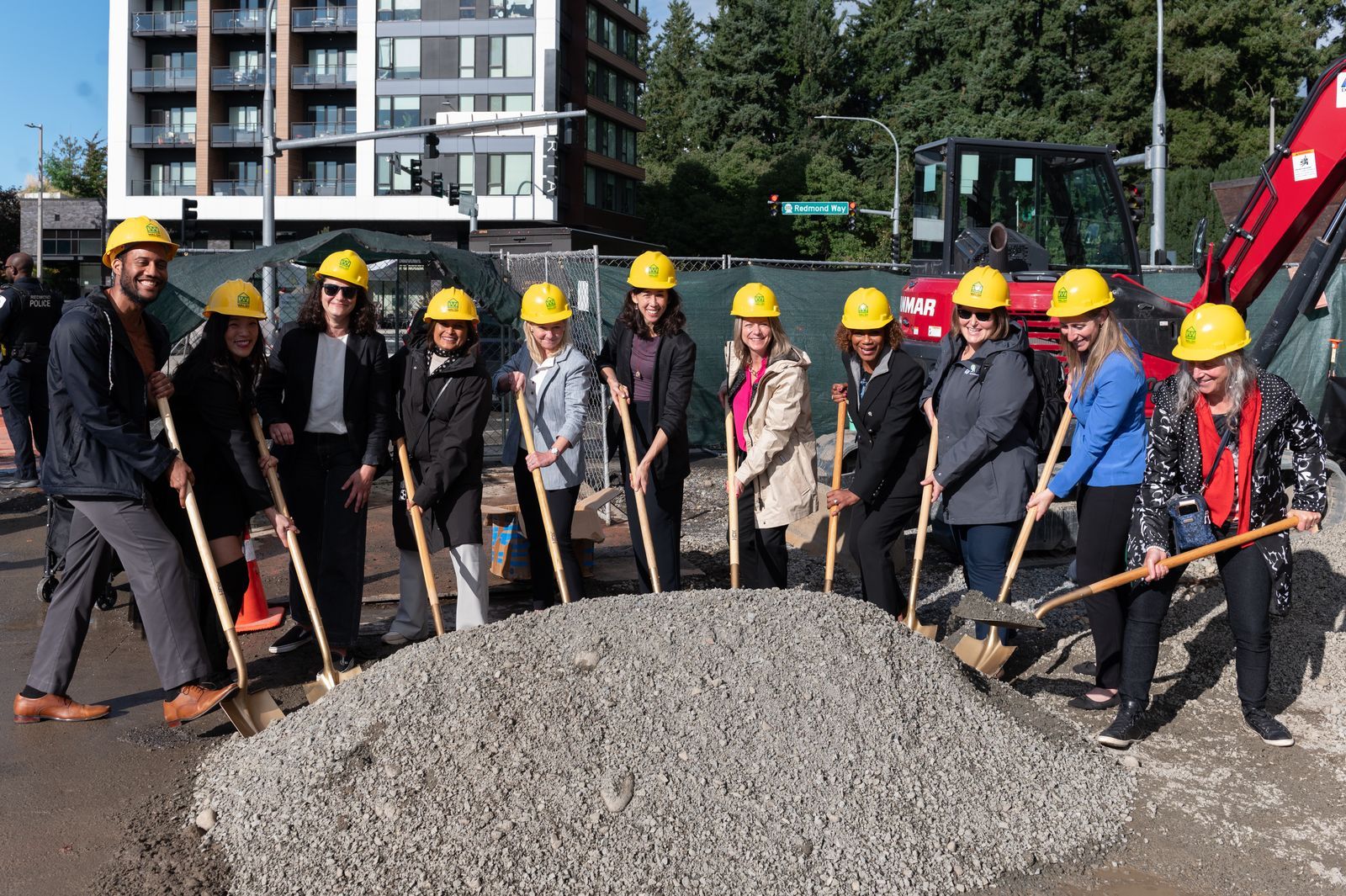
Breaking ground on a new building in Redmond, opening 2027
Cities across our region are working to expand affordable housing and ensure there are homes available for people at every income level — including those facing the greatest barriers to housing.
When cities identify the need for supportive housing, they invite experienced nonprofit partners like Plymouth Housing to help create it. We work closely with local leaders, neighbors, and community partners throughout the planning and development process.
Recently, we opened Sheila Stanton Place in Kirkland, developed in partnership with King County and the City of Kirkland, and we are preparing to open a new building in Redmond at the city’s invitation.
Plymouth is also committed to being a good neighbor. Our buildings are staffed 24/7, and property teams maintain clean, well-lit shared spaces while staying in regular communication with neighbors and community partners.
A major study by the NYU Furman Center reviewing more than 100 supportive housing developments found they did not negatively affect surrounding neighborhoods.
5. Giving people a place to start over
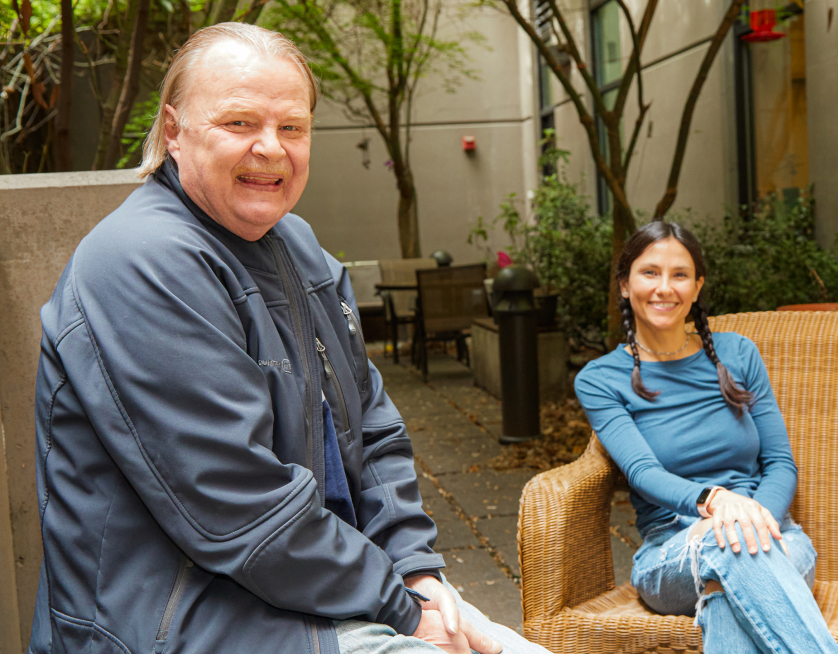
Plymouth resident William and his case manager Jaclyn
At its heart, Plymouth Housing’s work is about restoring hope.
Imagine spending years focused on survival without a place to live. Sleep comes in short stretches. Your health suffers. Everyday tasks like cooking a meal, storing medication, or getting to an appointment become incredibly difficult.
Now imagine the moment you close the door to your own apartment for the first time.
You have a bed of your own. You have trained staff who can help connect you with health care and counseling. You have neighbors down the hall, shared meals in the community room, and cultural celebrations in your building.
For many residents, this moment brings something they haven’t felt in a long time: the chance to begin again.
As William, a Plymouth Housing resident put it: “You can’t recover unless you have a stable place to be, a place where you feel safe, a place that’s yours.”