Rosheka Taylor ensures residents feel seen, respected, and supported
Posted February 27, 2026
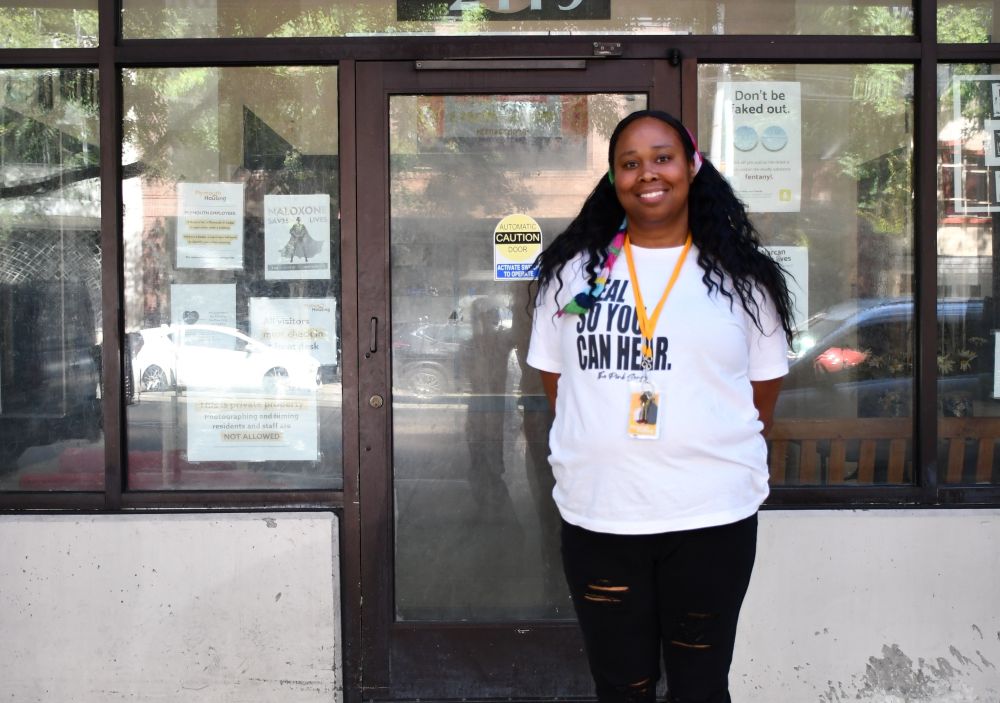
Rosheka works at a Plymouth building in Seattle with seniors 55 and older
In her role supporting residents’ well-being and guiding resident-centered services for seniors, Rosheka Taylor has coordinated care and provided community support at a Plymouth building in Seattle since 2020.
In honor of Black History Month, we spoke with Rosheka about how her Southern roots and cultural pride shape the way she does her work — helping ensure that the people we serve feel seen, respected, and supported. Rosheka brings compassion and intention to her role, honoring the stories that came before her while helping residents write their next chapter.
How have your background and lived experience shaped the person you are today, and how you show up for residents?
My background has taught me how to hold both strength and softness at the same time. Growing up in the South meant learning to navigate spaces that didn’t always reflect me, which pushed me to become observant, empathetic, and intentional about how I move throughout the world.
Being part of Plymouth’s mission means being part of something bigger than myself. It means showing up every day with purpose, compassion, and accountability.
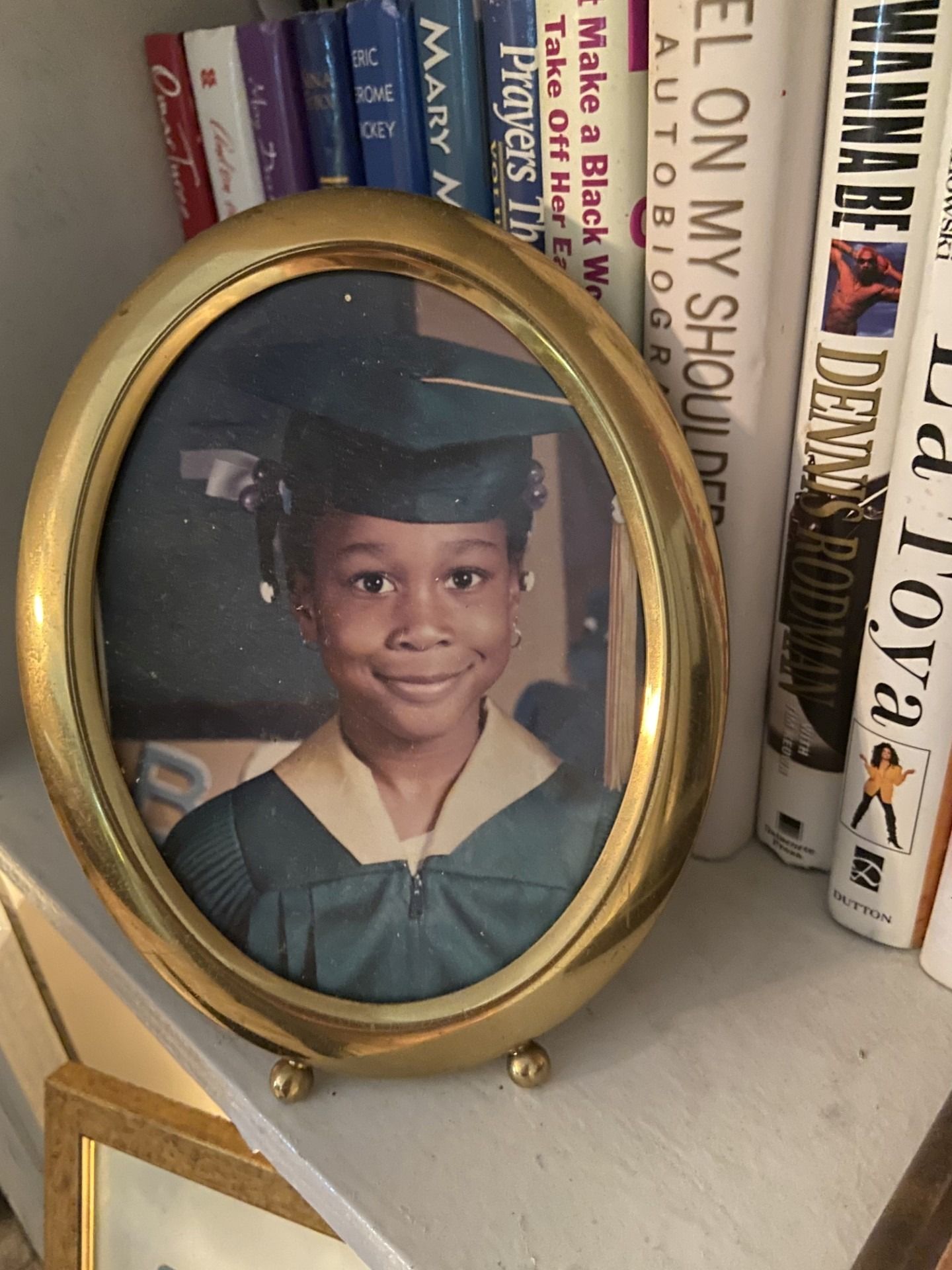
Rosheka as a child
Can you share a moment with a resident that deeply impacted you?
Working a building that houses seniors 55 and up has been one of the most meaningful parts of my life. I’m always learning from the residents. I still remember discovering that one resident had been part of the Black Panther Party in Seattle, and another shared his role in advocating for fair treatment of Black students at his school. Hearing their stories of courage, resistance, and change will stay with me forever.
Most people at our building have been here for more than ten years. It really shows the staying power of permanent supportive housing. I love coming here and showing up for them. It’s their last chapter and I want to make sure it’s their best last chapter.
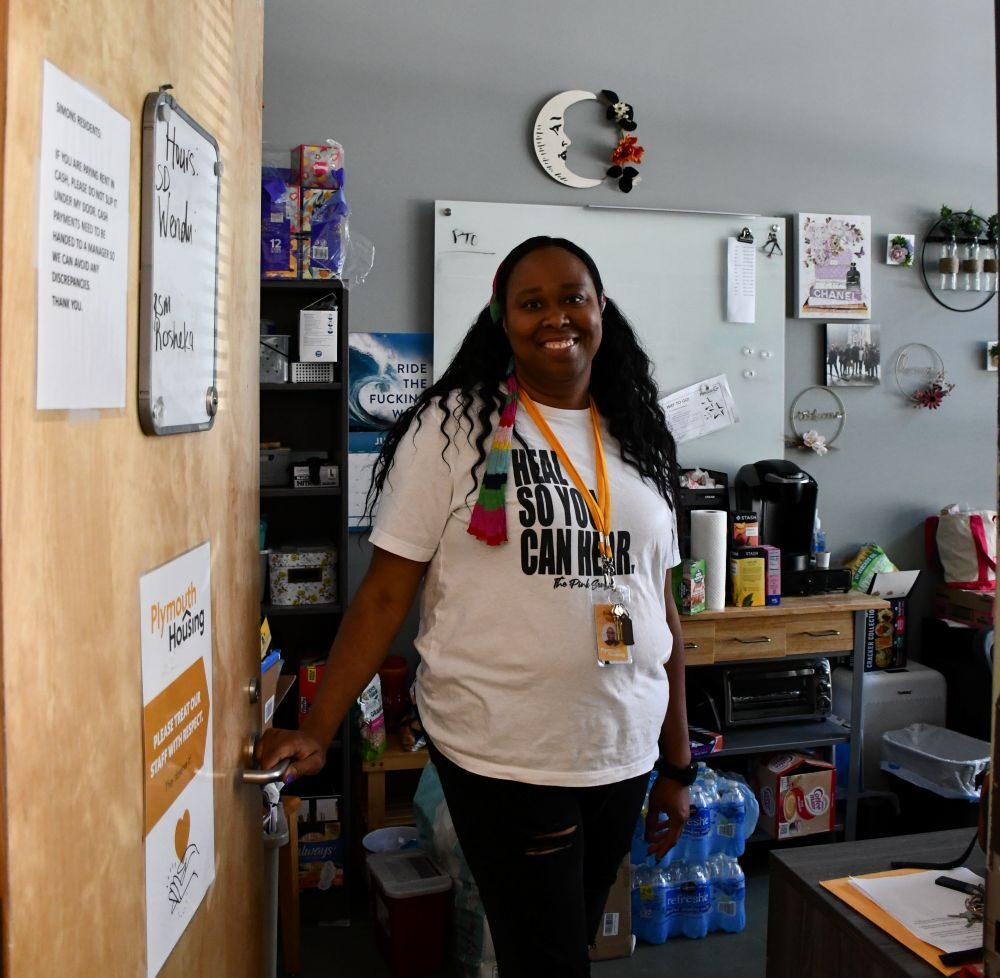
Rosheka assists residents with daily needs and long-term goals
Why is it important to recognize Black History Month?
It gives us an opportunity to honor the contributions of our people, reflect on our past, and remember that the fight for our right to belong is still ongoing. Watching the documentary Who We Are recently with Plymouth staff reminded me of our resilience and strength, but it also highlighted the inequities we still face every day.
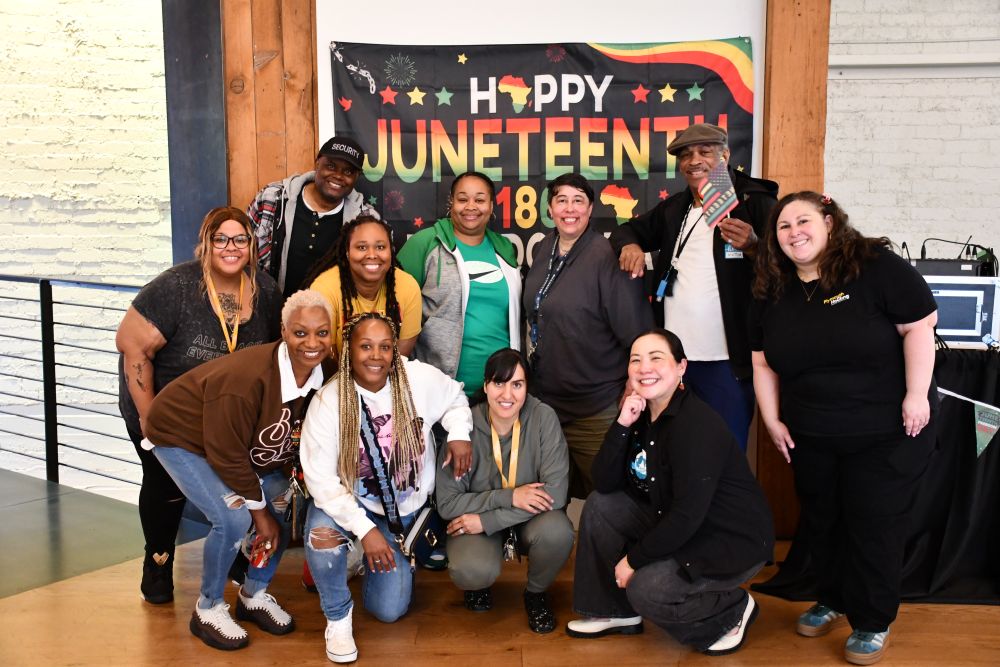
Rosheka is in yellow, celebrating Juneteenth with Plymouth staff
How do food, music, or art connect you to your roots?
Food, music, and art are some of the strongest ways I stay connected to my upbringing in New Orleans. Jazz and brass bands aren’t just music — they’re the spirit of my city. The way I cook gumbo or jambalaya tells the story of where I’m from. And art is my love language. I majored in fine arts, and the way I can get lost in a museum still amazes my loved ones.
What does “home” mean to you?
Home is a feeling more than a place. I carry home with me when I listen to New Orleans Bounce music, cook a favorite dish, or hear someone with an accent like mine. Those moments bring me back to myself and remind me of my roots, my culture, and the environment that shaped me.
What message would you want others to take away from your story?
Where you come from matters, but it doesn’t limit you — it shapes you. I love everything about who I am becoming.
What gives you hope right now?
The empathy and love in people, because they’re in me too. Even in difficult times, they keep us connected.