Imagine three households in King County — each building a stable life after years without a safe place to call home.
Rosa, a single mom in Burien, found a modest rental near her son’s school after years of instability. James, a Navy veteran in Renton, now lives close to the VA hospital and is finally managing his health. And the Nguyen family — three generations together in Beacon Hill — secured a home that keeps them connected to their cultural and family networks. (While names and details have been changed to protect privacy, these scenarios are representative of real situations faced by those we support.)
Different stories, one shared truth: a housing voucher helped these people exit homelessness and rebuild their lives.
What voucher programs do
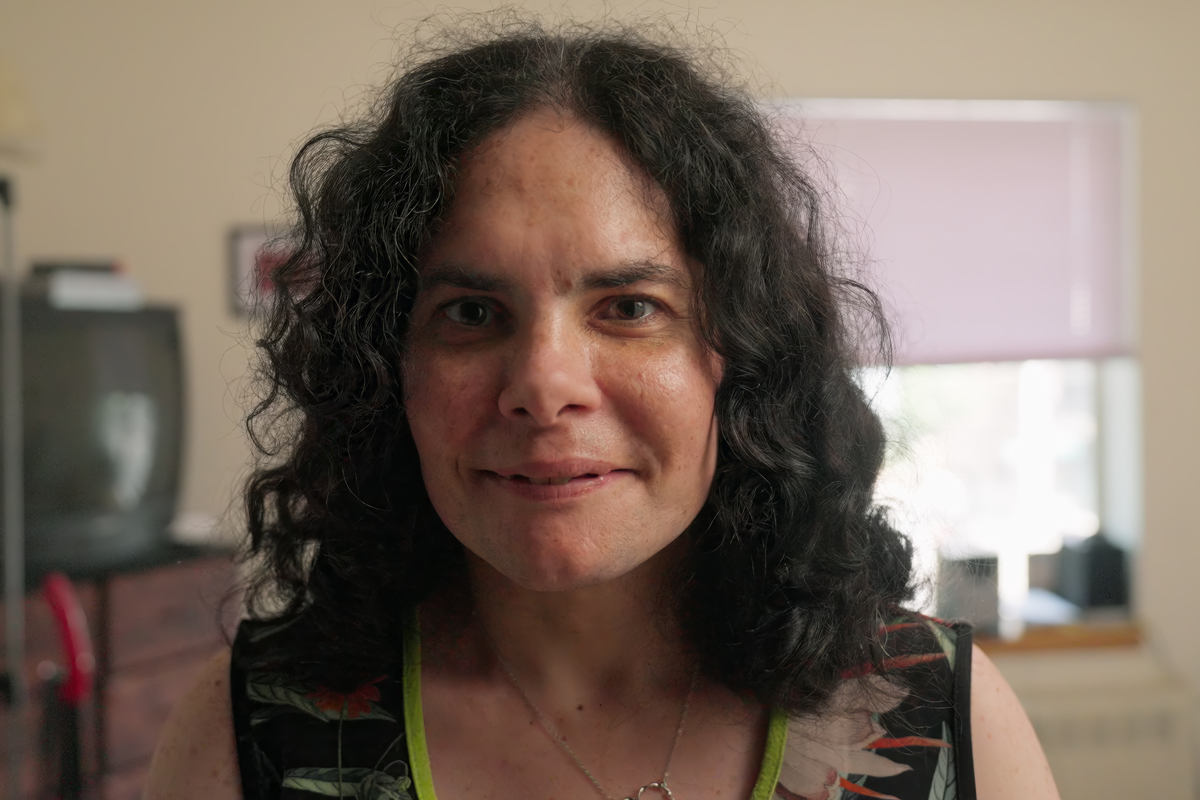
Plymouth resident Lisa
Many people know Plymouth Housing for our permanent supportive housing (PSH) buildings, now home to more than 1,400 residents. But our work extends far beyond our buildings.
Through rental assistance programs like Shelter Plus Care and Scattered Sites, we support roughly an additional 1,000 formerly homeless people across King County – with more than half who have been living stably housed for more than 5 years (the overall average is closer to 7-8 years). Voucher programs give people the ability to choose a home that fits their needs — close to schools, doctors, jobs, transit, and community. These aren’t just conveniences; they’re the support systems that help people thrive.
“This flexibility is powerful,” says Kevin Holtz, Plymouth’s Director of Vouchers. “Choice adds another level of agency. It cultivates dignity.”
Vouchers help cover the cost of rent. Program participants typically contribute 30% of their income toward rent and utilities and the voucher, which gets paid to the property manager, covers the rest.
Without these vouchers, program participants would be responsible for paying the full market-rate rent on the unit they’ve been living in for years — meaning that if funding for these programs gets cut, more than 1,000 people would experience a significant (and likely unsustainable) rent increase overnight.
A fast-moving threat to housing
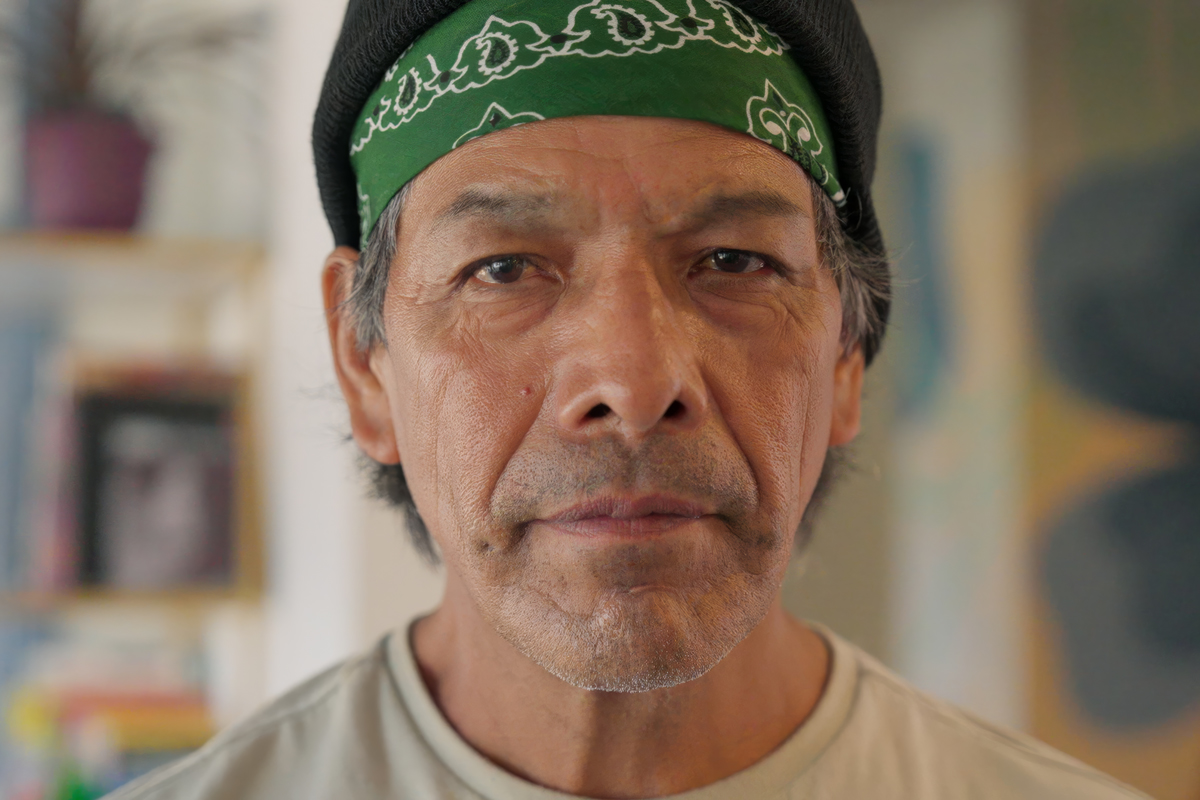
Plymouth resident Jimmy
The U.S. Department of Housing and Urban Development (HUD) recently released new rules for the Continuum of Care (CoC) program — one of the nation’s primary funding sources for homelessness response, including here in Seattle and King County.
As reported by The Seattle Times, these changes sharply restrict how communities can use federal dollars, shifting resources away from long-term housing solutions like vouchers and permanent supportive housing.
If implemented, these rules could:
- Put 4,500 King County households at risk
- Disrupt programs serving families, seniors, veterans, and people with disabilities
- Reduce funding for evidence-based long-term housing solutions
- Create funding gaps as early as 2026
For voucher programs — which rely heavily on CoC funding — the impact could be immediate and severe. This isn’t just a policy tweak. It’s a potential housing crisis for our region and for communities across the United States.
What King County could look like if these cuts take effect
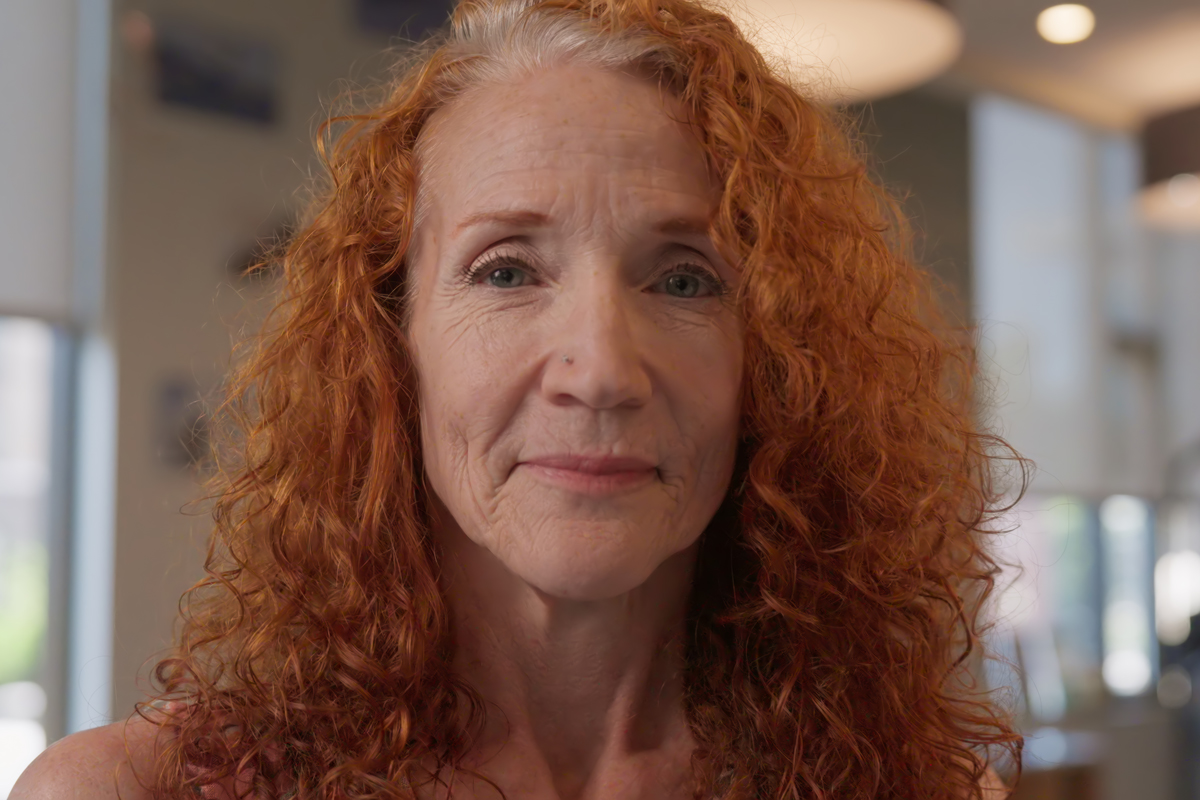
Plymouth staff member Melanie
Imagine driving through downtown Seattle. The sidewalks you already know — tents by the curb, RVs lining side streets, shelters stretched to capacity — now fuller, more crowded, more desperate.
Picture Rosa’s car wedged between RVs, her backseat filled with bags because her rental assistance vanished. James outside the VA with a duffel bag, unable to keep the home that supported his recovery. The Nguyen family separated across shelters miles apart.
These are the direct consequences of slashing long-term housing support. Zoom out, and the ripple effects deepen:
- More students missing school
- More seniors visiting ERs for preventable crises
- More encampments in parks and neighborhoods
- More strain on health and service systems
A region shaken. A state scrambling. A country where 170,000 people could fall back into homelessness. This moment is not only a warning. It’s a call to act.
What we’re doing — and how we can respond together
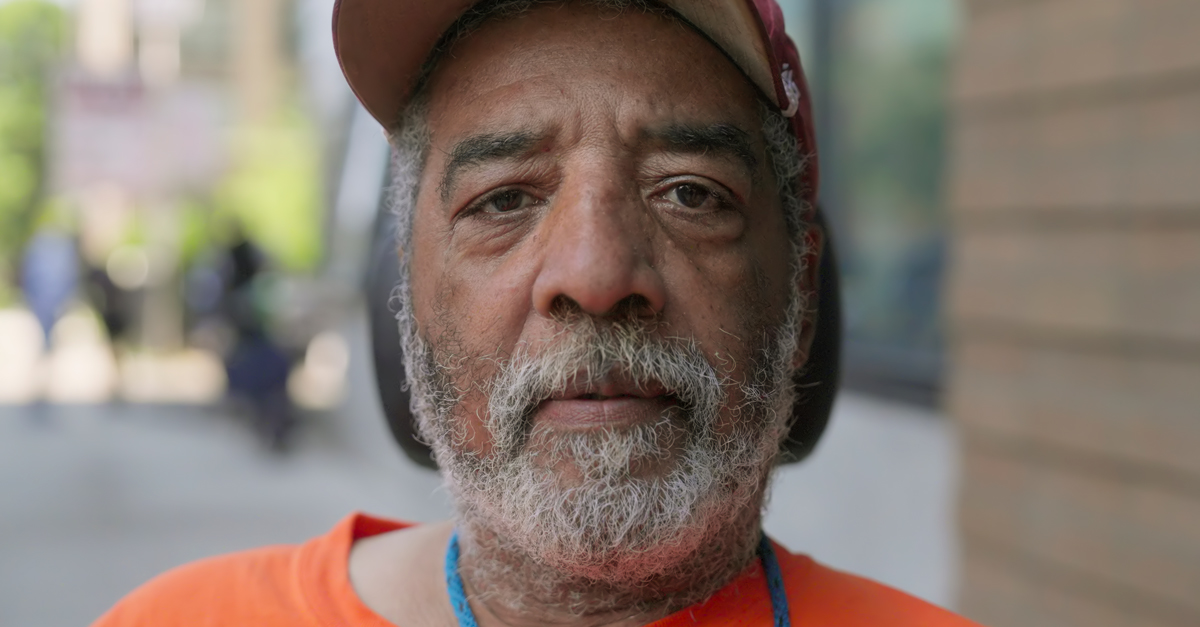
Plymouth resident Tim
Plymouth Housing is stepping up with partners across Seattle and King County. As federal changes shift day by day, we are working in real time to defend long-term housing and keep people stably housed.
Plymouth is coordinating closely with local providers and sharing accurate information across the homelessness response system. We are tracking policy developments as they unfold and engaging with elected officials to protect PSH and voucher programs.
At the same time, we’re supporting our community through uncertainty — strengthening essential services, mobilizing resources, and standing with residents and staff at every step.
How you can help protect housing in King County

Plymouth resident Stefan
Whether you’re a neighbor, a business leader, a resident, or someone who believes housing is a human right, you play a role in protecting long-term housing stability in our region. You can:
- Stay informed about the proposed federal changes
- Talk with your networks about what’s at stake
- Support organizations working to keep people housed — not just Plymouth, but DESC, Chief Seattle Club, Mary’s Place, Catholic Community Services, the YWCA, and others
- Connect with local advocacy coalitions
- Amplify the experiences of people affected by homelessness
Every voice helps policymakers understand the human impact behind these federal decisions. Every action strengthens our community response.
A moment of challenge — and possibility

Plymouth staff member Nic
This is a challenging moment, but it is not a hopeless one. Our region has faced crises before, and we have seen what’s possible when people come together with clarity, urgency, and compassion.
Let’s protect our neighbors. Let’s defend the right to safe, stable housing for all — from families working to rebuild, to seniors aging in place, to veterans rediscovering community.
The stakes are high, but so is our collective power. Let’s use it.