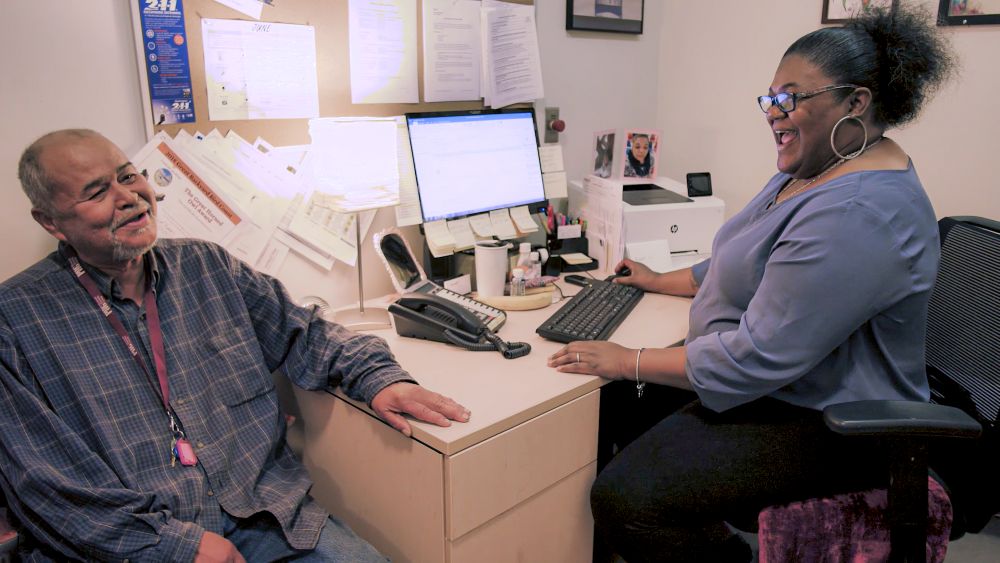
At Plymouth Housing, we provide permanent supportive housing for people with the most complex medical and behavioral health needs — people who have survived chronic homelessness. These individuals, like everyone else in our community, deserve dignity, stability, and compassionate care.
Nearly all Plymouth residents live with at least one disability. Many are seniors, veterans, or people managing multiple chronic conditions such as heart disease, high blood pressure, diabetes, or mobility challenges. Others are living with behavioral health conditions or the lasting impacts of trauma.
When others have walked away, Plymouth has stayed. We are often the only provider willing and able to care for the most vulnerable members of our community who have been left behind by every other system.
Emergency calls reflect a healthy community
Recently, some online commentary about our Bellevue community, Plymouth Crossing (PCR), has shared misleading information about emergency calls from the site. These calls have been wrongly characterized as signs of crime or disorder.
In reality, almost all 911 calls are seeking medical care. They reflect residents’ health needs and the fact that people are now able to access emergency care when they need it — before it’s too late.
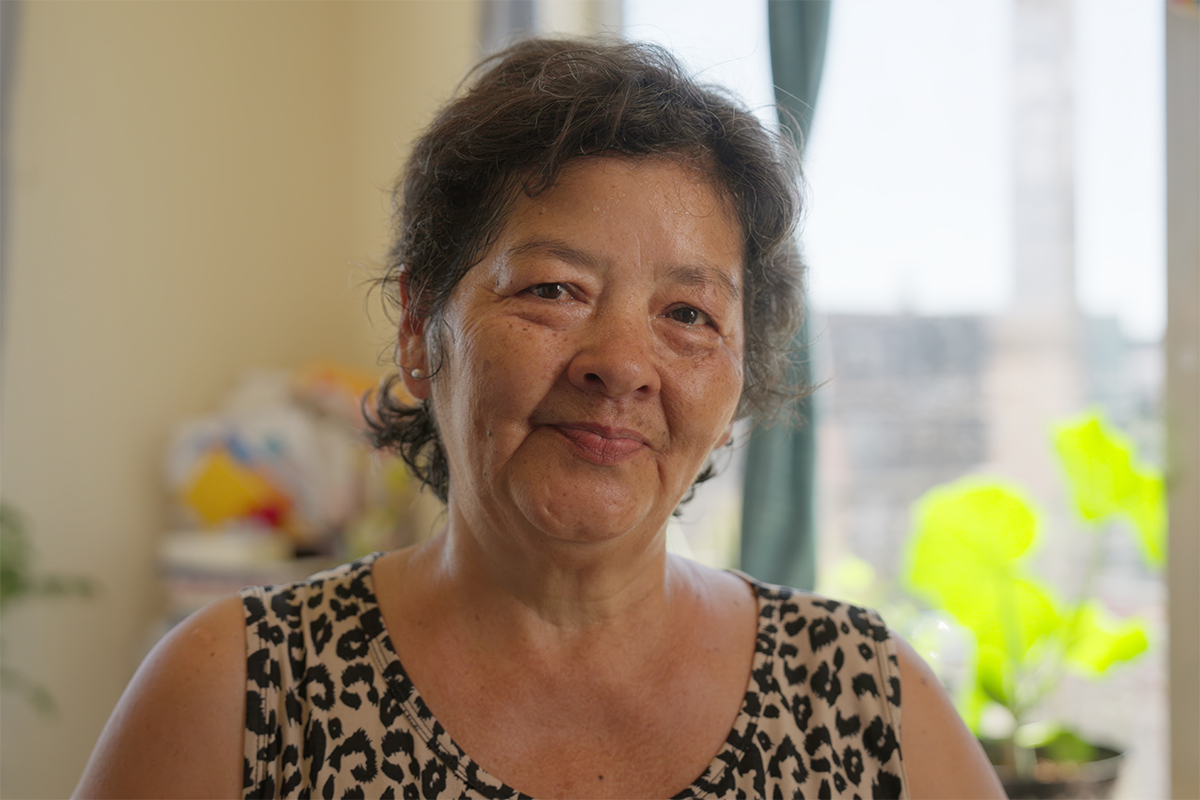
Plymouth resident Yolanda
At Plymouth Crossing, over 90% of emergency calls are for medical issues, including heart attacks, respiratory distress, falls, and complications from chronic conditions. Calling 911 is not a failure of housing — it’s a success of access. It means someone who once faced a medical crisis alone on the street is now in a safe home, surrounded by care and connection.
This is entirely expected in a community where so many residents are older adults with disabilities or serious health challenges. In fact, any setting with a large concentration of seniors or medically fragile individuals — such as a nursing home or assisted-living facility — experiences similar rates of emergency calls. The difference is that our residents are finally housed, supported, and visible to care providers.
Care happens at home
Homelessness takes a profound toll on the body and mind. Living without shelter accelerates chronic illness, physical trauma, and behavioral health crises.
In 2024, 94% of Plymouth residents had at least one disability (including mental health conditions), and nearly half lived with a physical disability or chronic medical condition. More than half of residents are 55 or older, and one in four are over 65.
The intersection of age, disability, and poverty means our residents often require more frequent and urgent medical care than people in typical housing — and permanent supportive housing gives them the stability to get that care safely.
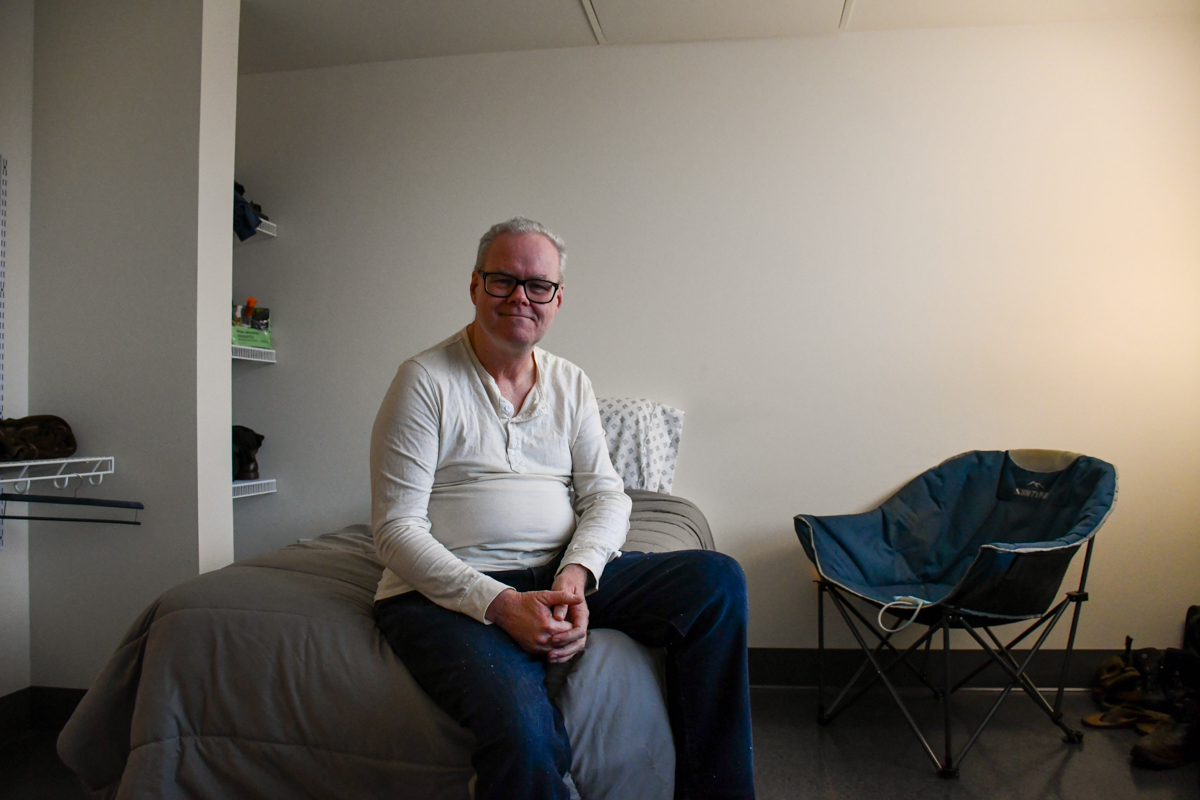
Plymouth Crossing resident Michael
At Plymouth Crossing, help is close at hand. Our partnerships with healthcare providers mean that nurses provide on-site care for residents. For outside appointments, case managers assist with scheduling, transportation, and follow-up support.
Residents also benefit from a network of peer behavioral health specialists — trained professionals with lived experience who provide emotional support, substance use counseling, and overdose prevention. They distribute Naloxone (Narcan) and train residents in how to use it, helping prevent crises before they happen.
Because of this care network, most health needs are addressed within the building — and in many cases, staff and residents are able to prevent or resolve issues without ever calling 911.
A community that stands together
When residents do need emergency services, we’re proud to partner with Bellevue’s first responders to ensure every call receives a timely, compassionate response.
Over time, as residents engage in consistent medical and behavioral care, their reliance on emergency services declines. A year of housing at Plymouth costs about the same as one month in a hospital — and 95% of residents remain stably housed after moving in.
Plymouth Housing is proud to serve the Eastside with dignity, transparency, and compassion. We believe that housing and health are deeply connected — and that no one should have to face an emergency alone.
When you see a 911 call from Plymouth Crossing, what you’re really seeing is care in action: a system working, a community showing up, and neighbors helping neighbors.